GlobalSCM exists because the firm we wanted to hire didn't exist. Big-three depth without the big-three model. Boutique speed without the boutique blind spots. Senior practitioners only — because the work is too important for a learning curve on your dime.
Every CPG operator we know is trying to do the same three things at once: reduce working capital, de-risk the supply base, and make AI pay for itself. None of the existing consulting models are built for that combination. We are.
The big firms have brand, scale, and a long bench. They also have a business model that rewards leverage — meaning the people doing your actual work are years away from being the people who sold it to you. For some problems that's fine. For inventory, supply chain, and AI implementation, it's a quiet disaster.
The boutiques are sharper and faster, but most are still optimizing for the slide. They sell strategy and hand you off to an implementer. When the implementer's recommendations don't match the strategy, neither side is accountable.
GlobalSCM takes a different posture. Every engagement is staffed with senior practitioners who have actually run the function they're advising — VPs of Supply Chain, Heads of Planning, Chief Data Officers, fractional COOs. We start with a fixed-fee diagnostic, we put a number on every recommendation, and we build the internal team that makes us unnecessary.
The bar we set for ourselves: if a client can't show their CFO the dollars we generated, we haven't done our job.
We don't take fees from software vendors. We don't outsource the work. We don't extend an engagement that isn't producing value. The discipline is the product.
Every GlobalSCM practitioner has held the seat they're advising. No analyst pyramids. No "let me get back to you with my partner."
Every recommendation comes with a dollar value, a confidence interval, and a method. If we can't quantify it, we won't recommend it.
Engagements have end dates. Phases have end dates. Pilots have end dates. If something isn't working, we stop — we don't propose a sequel.
No software resale revenue. No referral fees. No partnership tiers that bias our recommendation. The only thing in it for us when we name a tool is being right.
Every engagement names the internal owner who replaces us. Capability transfer is a deliverable, not an afterthought.
Some problems aren't ours. Some problems aren't yet worth solving. We'll say so — even when it costs us the engagement.
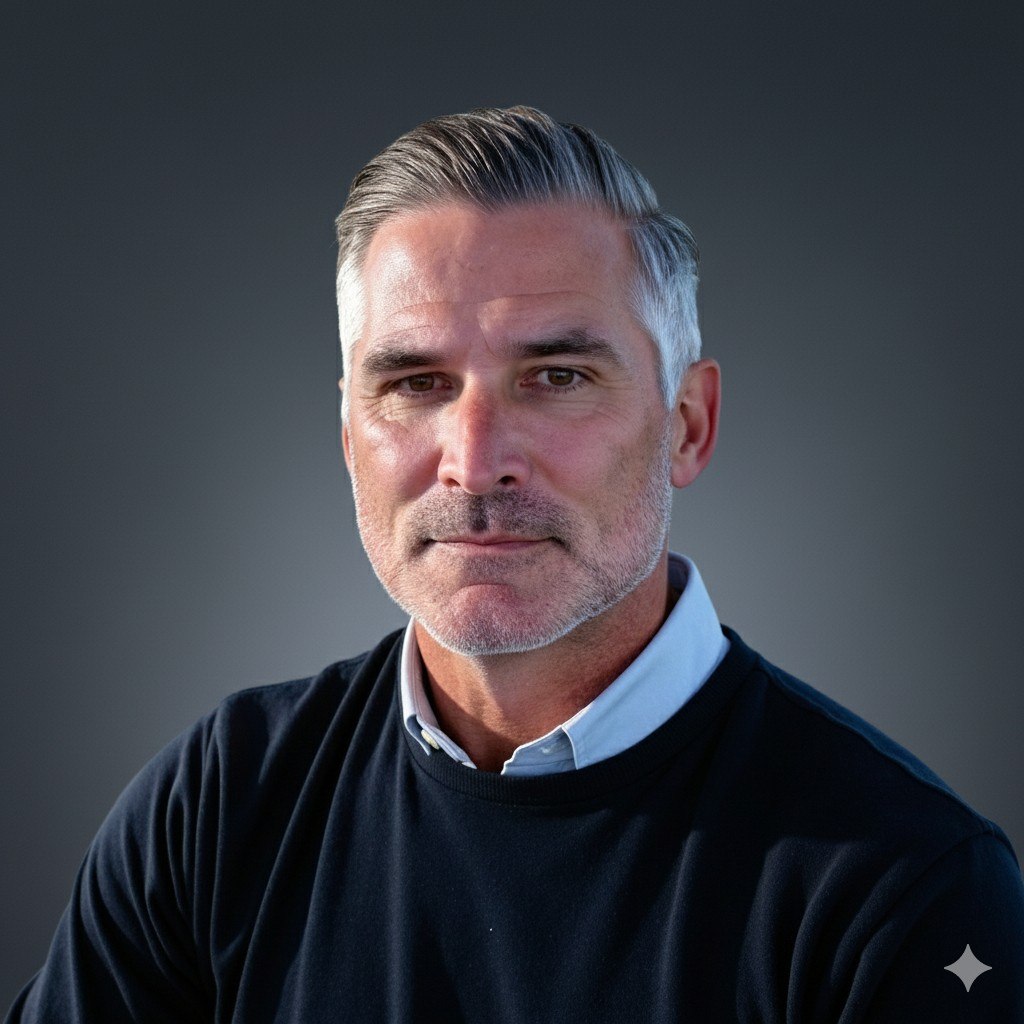
Karl Malik has spent his career inside the supply chains GlobalSCM serves — leading planning, sourcing, inventory, and data infrastructure for Fortune 500 companies. He also founded, scaled, and successfully exited a global SaaS platform.
GlobalSCM exists because it's exactly the kind of partner Karl always wished he had: senior operators who have owned the inventory P&L, shipped production-grade AI systems, and defended the numbers in front of the CFO.
Previously: Founder, Wave Reaction (acquired 2023).
Consumer-products operators in the $200M – $5B range.
Big enough to have real inventory complexity, small enough that decisions can still be made. Below $200M you usually don't need us. Above $5B the big firms have a structural pricing advantage we don't try to fight.
Branded CPG. Pet, home goods, personal care, home & garden, food, beverage.
Multi-SKU, multi-channel, multi-retailer-customer. We know the rhythm of these businesses — promotions, seasonality, retailer chargebacks, trade spend, slotting.
You're at an inflection — and you know it.
A spin-off. A tariff shock. A new CEO. A failed planning implementation. A board mandate on AI. The work we do best is the work that gets done because something already broke or is about to.
You want a partner, not a vendor.
Our best clients argue with us. They challenge the diagnostic, push back on the recommendation, and make us defend the math. That's how we like it.
Four weeks. Fixed fee. We map your highest-ROI AI opportunities, size them in dollars, and tell you which to start Monday — or tell you we're not the right firm. Either way, you'll know.
Request AI Opportunity Assessment